
Navigating the complexities of Department of Transportation (DOT) compliance can be daunting for many in the transportation industry. At Safe Road Solutions, we understand the critical importance of staying compliant to ensure safety, avoid costly penalties, and maintain smooth operations. This comprehensive guide will help you understand what DOT compliance entails, why it matters for your business, and how to achieve it.
What is DOT Compliance?

DOT compliance refers to adhering to the regulations set forth by the U.S. Department of Transportation. These regulations are designed to ensure the safety of the traveling public, commercial drivers, and the vehicles they operate. The Federal Motor Carrier Safety Administration (FMCSA), a division of the DOT, is primarily responsible for enforcing these regulations.
Key Areas of DOT Compliance

1. Driver Qualifications
Drivers must meet specific qualifications to operate commercial vehicles:
- Commercial Driver’s License (CDL): Drivers must have a valid CDL appropriate for the type of vehicle they are operating.
- Medical Certification: Drivers must undergo regular medical examinations to ensure they are physically fit to drive.
- Drug and Alcohol Testing: Pre-employment, random, post-accident, and reasonable suspicion testing are required to ensure drivers are not impaired.

2. Hours of Service (HOS)
To prevent fatigue-related accidents, drivers must adhere to HOS regulations, which limit driving hours and mandate rest periods:
- 11-Hour Driving Limit: Drivers can drive a maximum of 11 hours after 10 consecutive hours off duty.
- 14-Hour Limit: Drivers cannot drive beyond the 14th consecutive hour after coming on duty.
- Rest Breaks: Drivers must take a 30-minute break after 8 cumulative hours of driving without at least a 30-minute interruption.
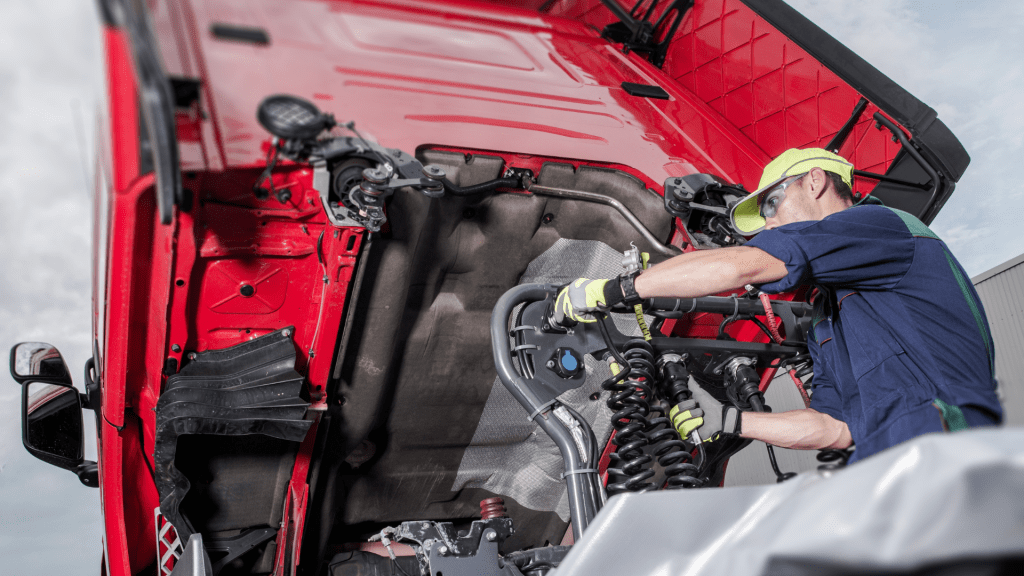
3. Vehicle Maintenance
Regular maintenance ensures vehicles are safe and operational:
- Pre-Trip and Post-Trip Inspections: Drivers must conduct inspections to identify any potential issues before and after trips.
- Maintenance Records: Keep detailed records of all inspections, repairs, and maintenance activities.
- Annual Inspections: Vehicles must undergo a comprehensive inspection at least once a year.

4. Record Keeping
Accurate and up-to-date records are crucial for compliance:
- Driver Logs: Maintain accurate logs of hours worked and rest periods, traditionally through paper logs or more commonly now through Electronic Logging Devices (ELDs).
- Vehicle Maintenance Records: Keep detailed records of all maintenance activities.
- Drug and Alcohol Testing Records: Maintain documentation of all testing results and procedures.

5. Safety Management
A robust safety management system is essential:
- Safety Policies: Develop and implement safety policies that comply with DOT regulations.
- Training Programs: Regularly train drivers and staff on safety practices and compliance requirements.
- Accident Procedures: Have clear procedures in place for responding to accidents and incidents.
Why DOT Compliance Matters

1. Legal Requirements
Non-compliance with DOT regulations can result in severe penalties, including fines, out-of-service orders, and even the revocation of operating authority.
2. Safety
Compliance ensures that drivers are qualified and rested, and vehicles are well-maintained, significantly reducing the risk of accidents.
3. Reputation
Maintaining a good safety record is crucial for a company’s reputation. It can influence customer trust and business opportunities.
4. Financial Implications
Avoiding fines and out-of-service orders helps protect your bottom line. Efficient compliance management can also lead to reduced insurance premiums.
Achieving and Maintaining DOT Compliance
1. Stay Informed
Keep up with the latest DOT and FMCSA regulations. Subscribing to our newsletters, attending workshops, and participating in professional associations can help.
2. Implement Technology
Leverage technology such as ELDs for accurate record-keeping, GPS for fleet tracking, and maintenance software to schedule and document vehicle upkeep.
3. Regular Audits
Conduct internal audits to ensure compliance. Regularly review driver logs, maintenance records, and training programs to identify and address any issues.
4. Get Some Compliance Experts
Consider hiring or consulting with Safe Road Solutions DOT compliance experts to guide your compliance efforts and ensure you are meeting all regulatory requirements.
5. Foster a Safety Culture
Encourage a culture of safety within your organization. Regular training, open communication, and a commitment to safety at all levels can greatly enhance compliance efforts.

Conclusion
DOT compliance is a critical aspect of operating within the transportation industry. By understanding and adhering to these regulations, you can ensure the safety of your drivers, protect the public, and keep your operations running smoothly. At Safe Road Solutions, we are committed to helping you navigate the complexities of DOT compliance.
Contact us today to learn more about how we can support your compliance efforts and keep you on the road to success.
Subscribe to our Newsletter
Enter your email below to receive updates and Keep up with the latest DOT and FMCSA regulations.
 Safe Road Solutions
Leave a comment